September 21, 2026
In recent years, the cabinet making industry has experienced a resurgence, driven by a variety of factors that have contributed to its increasing demand. Across diverse markets, both residential and commercial clients are seeking bespoke and high-quality cabinetry solutions. Key factors such as home renovation trends, personalized design preferences, and sustainability have all played significant roles in fueling this demand. With a growing emphasis on interior aesthetics and functionality, professional cabinet making services are becoming a staple for those looking to enhance their living and work environments. This article explores the various elements contributing to the rising popularity of custom cabinet making services and the future outlook for the industry.
Historical Context of Cabinet Making
The Origins of Cabinet Making
Cabinet making, a craft steeped in history, finds its roots as far back as ancient Egyptian civilization. Artisans in those times crafted wooden furniture using tools remarkably similar to those used today. This early form of woodworking laid the foundational skills and techniques that would evolve over centuries. In medieval Europe, cabinet making gained prominence as part of the guild systems, signifying a specialized skill that was respected and revered. The complexity and artistry of these early creations established a legacy that continues to influence modern cabinet making services today.
The Evolution of Design and Techniques
As centuries passed, cabinet making techniques continued to evolve, influenced by changing artistic trends and technological advancements. The Renaissance period, in particular, played a pivotal role in the transformation of cabinet design, introducing intricate inlays and veneer work that showcased a merging of form and function. In the 19th century, the Industrial Revolution brought about significant changes, allowing for mass production but also preserving craftsmanship at a higher, more specialized level. This evolution ensured that designs remained adaptive to modern needs while retaining elements of traditional elegance. The blending of classical styles with contemporary aesthetics is evident in many cabinetry designs today.
The Role of Cabinetry in Interior Design
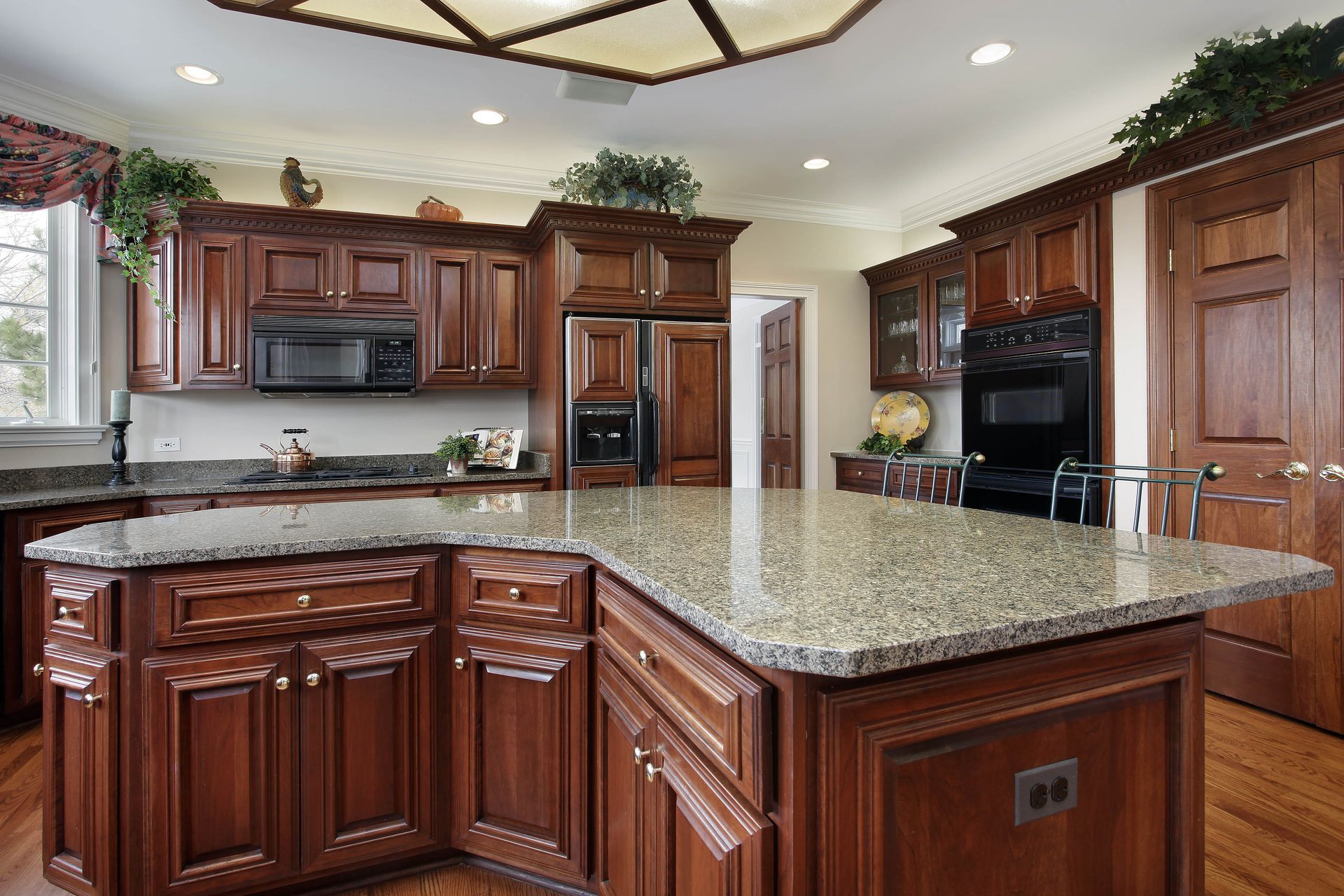
Cabinetry is integral to interior design, providing both functional storage solutions and aesthetic enhancement. Designers often utilize cabinetry to reconcile space issues, seamlessly integrating it into the architectural flow. Whether in kitchens, bathrooms, or living spaces, cabinets serve as focal points that dictate the room's design theme. Custom cabinets allow for unique expressions of style, reflecting the homeowner's individuality and taste. As the 2025 US Houzz Kitchen Trends Study reveals, a notable 85% of homeowners prioritize cabinetry in kitchen renovations, underscoring its critical role in interior enhancement.
The Impact of Industrialization
The advent of industrialization radically transformed the cabinet making industry, enabling mass production that made cabinetry more accessible. While this meant greater affordability and availability, it also risked compromising the artisanal quality traditionally associated with handcrafted pieces. However, many craftsmen adapted, utilizing machinery to enhance precision while maintaining a high standard of quality. This dual approach of artisanal skill and technological efficiency became a hallmark of the industry. Today, industrial methodologies coexist with bespoke crafting, catering to diverse client needs.
Re-emergence in Contemporary Architecture
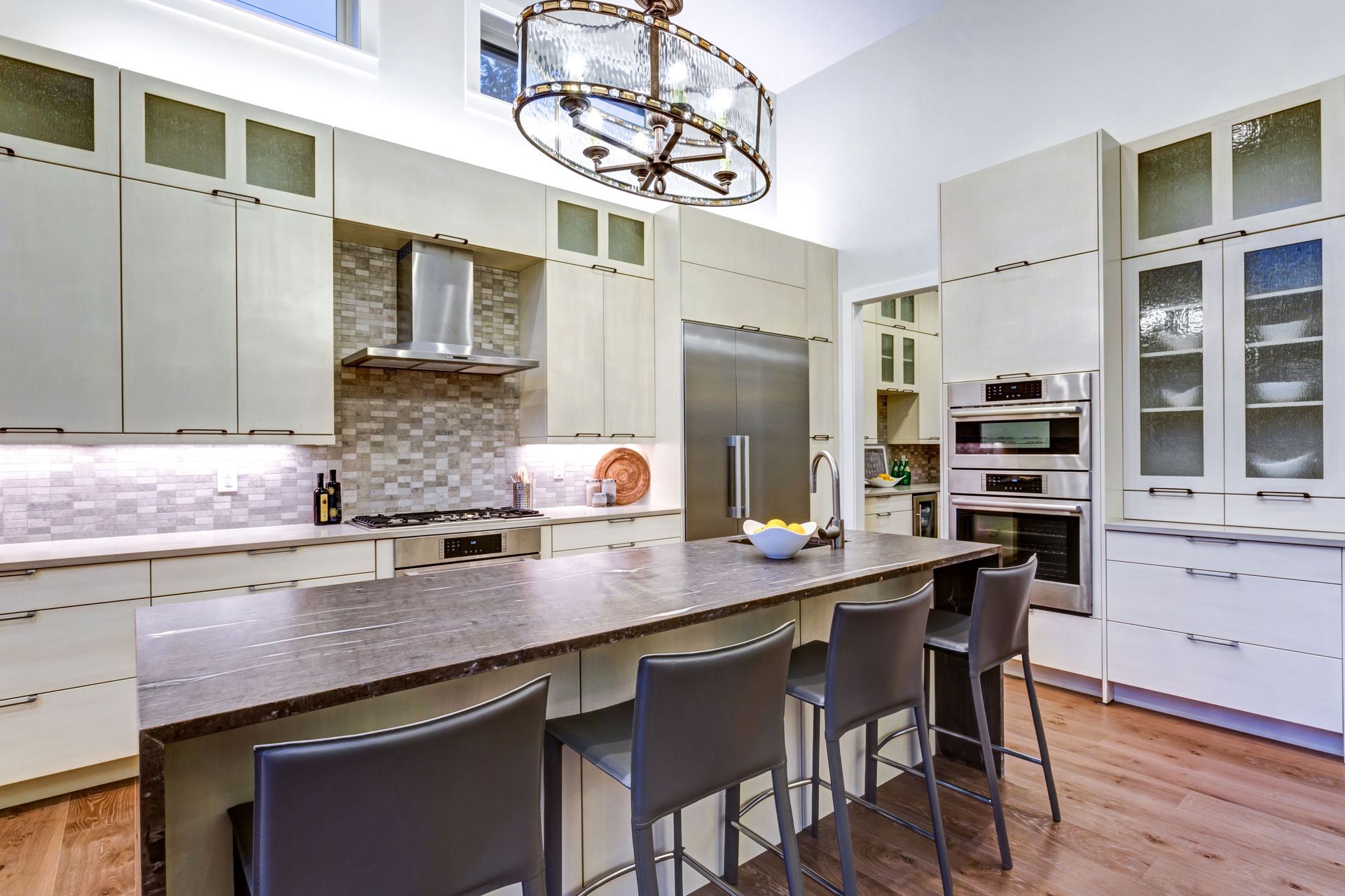
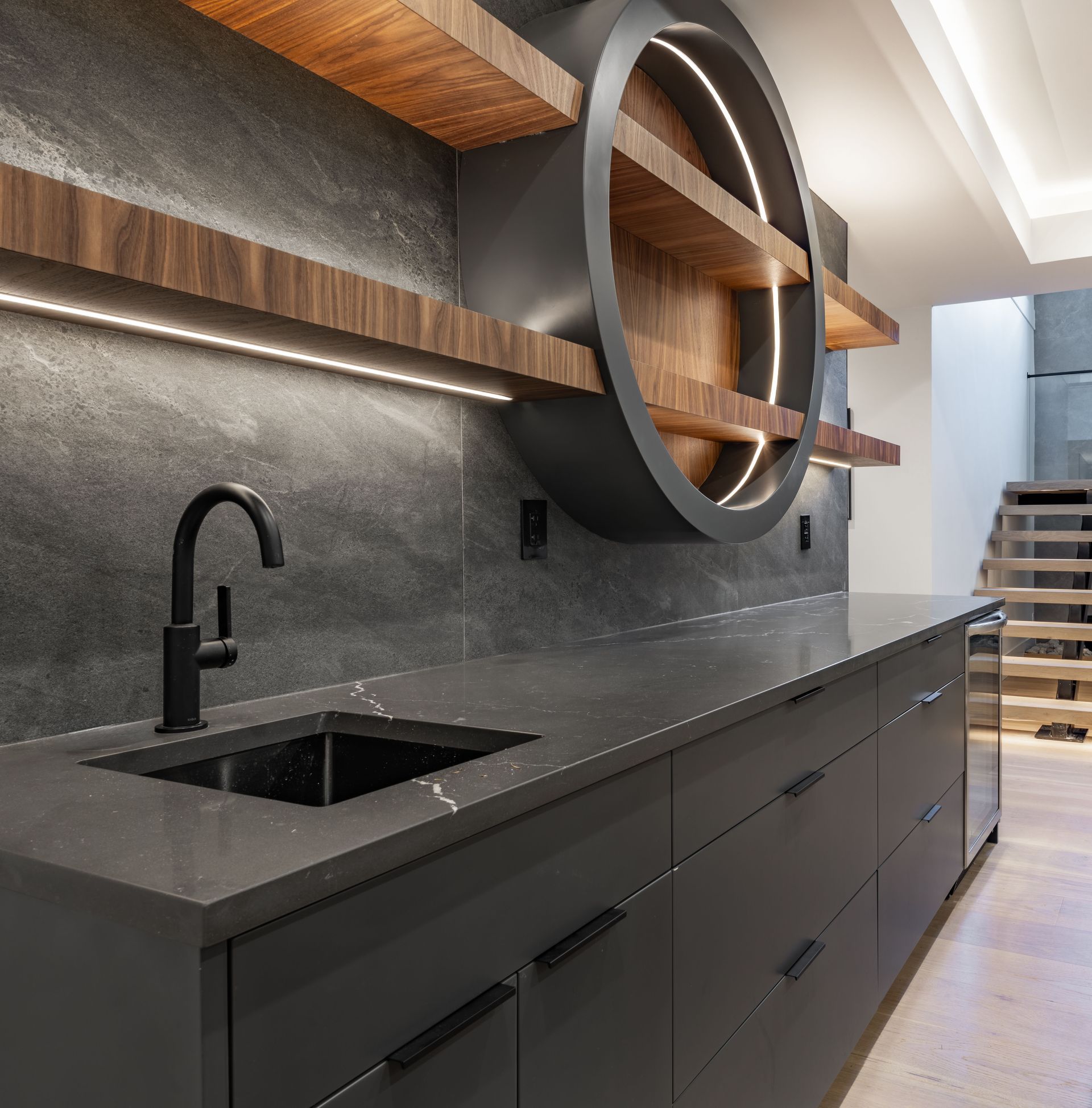
In contemporary architecture, cabinetry has seen a re-emergence as a focal point of interior spaces. Modern architects and designers often emphasize open-plan living, where creative cabinetry solutions enhance functionality and aesthetics. The trend towards minimalism and sustainability has spurred innovations in material use and design layouts. As more homeowners and businesses gravitate towards unique, custom solutions, the demand for tailor-made cabinetry continues to flourish. This contemporary revival of cabinet making is characterized by a harmonious blend of tradition and modernity.
Factors Driving Demand
Increase in Home Renovations
The home renovation industry is a major driver behind the growing demand for cabinet making services. With more homeowners investing in their properties, there is a significant uptick in custom home improvement projects, including cabinetry upgrades. Renovations not only enhance property value but also improve functionality and esthetic appeal. Consumers are increasingly drawn to designs that reflect personal style and accommodate modern living requirements. According to the 2025 U.S. Houzz Kitchen Trends Study, a remarkable 85% of homeowners renovating their kitchens prioritize cabinetry, demonstrating its importance to interior renovations.
Customization and Personalization Trends
Customization and personalization have become central to modern interior design preferences, fostering a tailored approach to cabinetry. With an influx of design inspiration available through digital platforms and media, consumers are no longer satisfied with one-size-fits-all solutions. Instead, they seek cabinets that reflect their unique tastes, needs, and lifestyles. This trend has spurred growth in the custom cabinetry sector, where bespoke craftsmanship fulfills the demand for personalized spaces. Designers providing specialized cabinet making services collaborate closely with clients to achieve harmonious, customized solutions that stand out.
Eco-friendly and Sustainable Options
The growing emphasis on sustainability and eco-friendliness is a vital trend that propels cabinetry demand. Today’s informed consumers are making conscientious choices about materials, preferring options that are both environmentally friendly and durable. Providers of cabinet making services respond by incorporating sustainable practices and materials, such as reclaimed wood and low-VOC finishes, into their offerings. This eco-conscious approach not only appeals to green-minded clients but also adheres to global environmental standards and regulations. Consequently, sustainability is pivotal in shaping the future of the cabinetry industry.
Technological Innovations in Cabinet Manufacturing
Advancements in technology have revolutionized the cabinet making industry, enhancing both efficiency and precision in manufacturing processes. Tools that incorporate 3D modeling and CNC (Computer Numerical Control) machining allow for more intricate designs and rigorous quality standards. These technologies enable rapid prototyping, reducing the time between design conception and production. As a result, craftsmen can offer innovative, complex designs that meet the evolving needs of consumers. Through technology, companies delivering cabinet making services adapt to new challenges, setting higher benchmarks for craftsmanship and creativity.
Cabinet Making Techniques and Materials
Traditional Joinery Methods
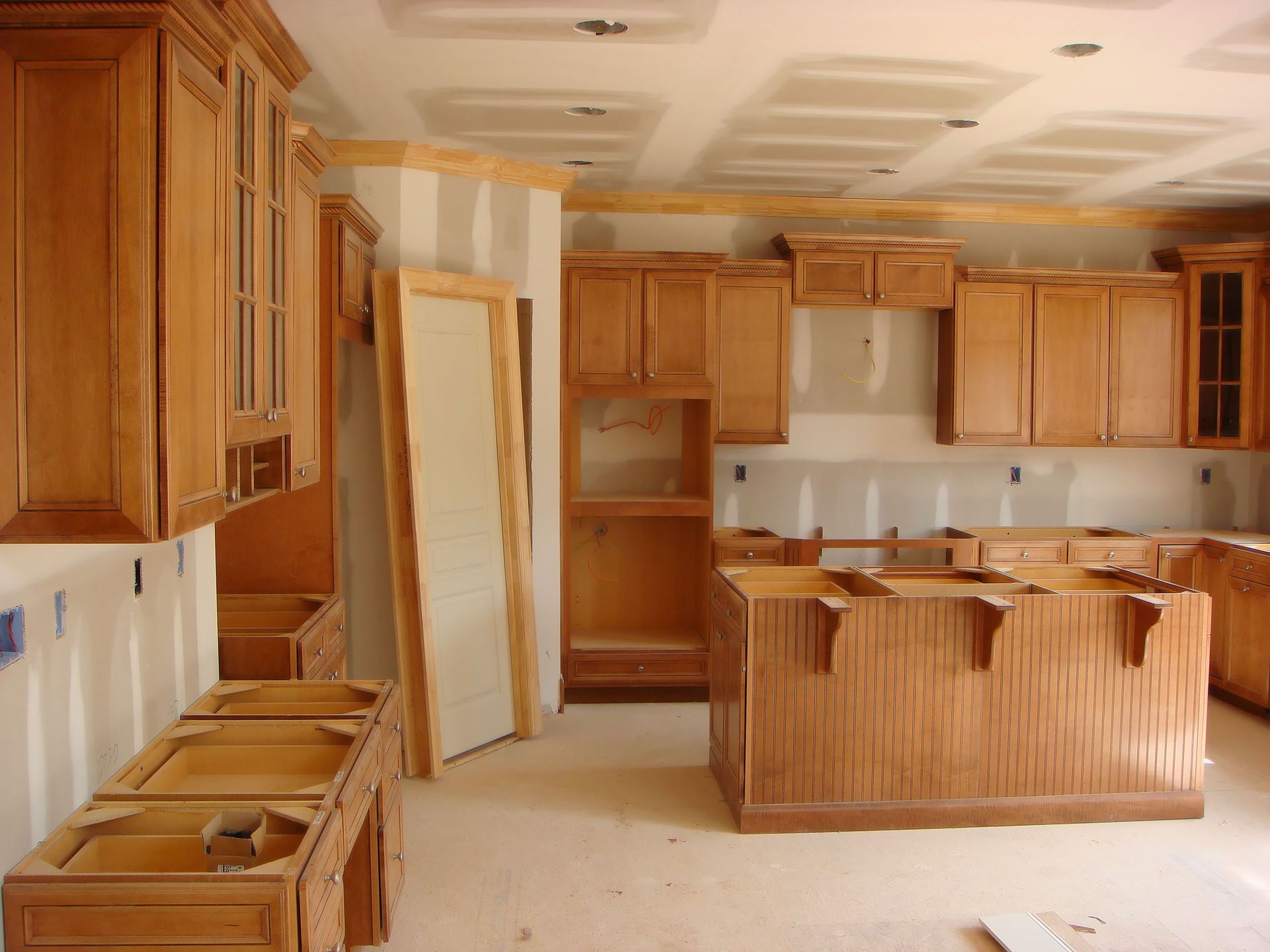
Traditional joinery methods remain a cornerstone of cabinet making, emphasizing techniques that have been perfected over centuries. Methods like dovetail and mortise and tenon joints require skill and precision, resulting in durable, aesthetically pleasing cabinetry. These time-tested techniques ensure strength and integrity, which are crucial for long-lasting furniture. Artisans offering premier cabinet making services often combine traditional methods with modern tools to enhance efficiency without sacrificing quality. The continued relevance of these techniques demonstrates the enduring appeal of craftsmanship in the contemporary market.
Modern Technological Advancements
Modern advancements in technology significantly augment the capabilities of cabinet makers, enabling them to produce intricate designs with enhanced accuracy. Innovations such as CNC machinery, 3D printing, and laser cutting facilitate precision and allow the creation of complex, bespoke designs. These technologies streamline production processes, reduce waste, and improve turnaround times. As a result, shops specializing in cabinet making services can offer customized, high-quality products more efficiently. By integrating traditional skills with modern technology, the industry meets the diverse and evolving demands of its clientele.
The cabinet making industry is experiencing significant growth driven by factors such as customization, sustainability, and technological advancements. While challenges like economic fluctuations and labor shortages persist, the industry's resilience and adaptability have positioned it for continuous evolution. The demand for high-quality, personalized cabinetry solutions remains robust, reflecting the enduring value of craftsmanship in contemporary design. As the industry embraces new technologies and expands its presence in global markets, cabinet making services are well-poised for a promising future. By understanding and responding to changing consumer preferences and market dynamics, top providers of cabinet making services will continue to thrive and innovate. Call Cherished Woodcraft today for more information.